Learning how to build an email list from zero starts with one rule that saves you from the industry’s oldest trap: never buy a list. Zero purchased lists are worth the money — the addresses are stale, the recipients never consented, and mailing them teaches Gmail to junk everything you send afterwards. Building the real thing is slower and completely worth it: the list is the only audience you own outright, and here’s the step-by-step of earning it.
01Make the trade worth it: the incentive
“Subscribe to our newsletter” is an offer to receive more email — nobody wants more email. People trade their address for something specific: a discount on the first order, a genuinely useful checklist or guide, early access, or a tool. The test for a good incentive: would a stranger think “that’s worth an email address” in under three seconds? Your best-performing blog content is the map — whatever people already read most is what they’ll download more of.
02Build the welcome flow before the first signup
Counterintuitive but critical order: the welcome series gets built first, so subscriber number one gets the full experience. Welcome emails run at three to four times normal open rates — collecting addresses before that flow exists is inviting guests before the house has floors.
03Place the forms where intent lives
Three placements do most of the work: an embedded form at the natural pause points (end of blog posts, footer), an exit-intent or timed popup — well-made popups with a real incentive convert in the mid-single digits, obnoxious instant ones just train people to close things — and a checkout/enquiry checkbox, because someone already buying or asking is your warmest possible subscriber.
One honest rule across all three: ask for the email, maybe a first name, nothing else. Every extra field costs signups, and you can learn the rest later.
“Social followers are borrowed from an algorithm. Subscribers are yours — the platform can’t change the rules between you and an inbox.”
— Why the list outlives every algorithm panic
04Feed the machine: where subscribers actually come from
Forms convert traffic; something still has to bring the traffic. The reliable feeders, in rough order of cost-efficiency: search content (blog posts answering real questions — the same engine as your SEO), social bios and pinned posts pointing at the incentive rather than the homepage, a line in every receipt, invoice, and email signature, in-person capture for physical businesses (QR at the counter works better than clipboards), and paid lead ads once the math proves a subscriber’s value.
Skip the gimmicks: giveaway-fueled spikes deliver prize-hunters who never open again — and worse-than-useless engagement rates that hurt deliverability (the borrowed-vs-owned audience logic, inverted).
05Keep it deliverable: hygiene from day one
Use real opt-in (double opt-in where sign-up quality is doubtful), send consistently rather than in guilt-driven bursts, and run the sunset flow so long-term non-openers leave the list before they poison it. A thousand engaged subscribers out-earn ten thousand ghosts — on results and on the platform bill, since both major platforms charge per contact.
And the two-minute compliance layer, since fines are real on both sides of the Atlantic: collect consent honestly (a pre-ticked box is not consent under UK/EU rules), say who you are in every send, include a working unsubscribe link, and honour it promptly — requirements under CAN-SPAM in the US and GDPR/PECR in the UK alike. None of this is burdensome if the list was earned; it only hurts the lists that were scraped or bought, which is rather the point.
Week 1–2: incentive created, welcome flow built. Week 3–4: forms live (embed + polite popup + checkout box), bio links updated. Month 2–3: one list-feeding blog post or lead ad running, first sunset pass scheduled. A few hundred genuinely-earned subscribers by day 90 is a win — that’s a room of real prospects who asked to hear from you.
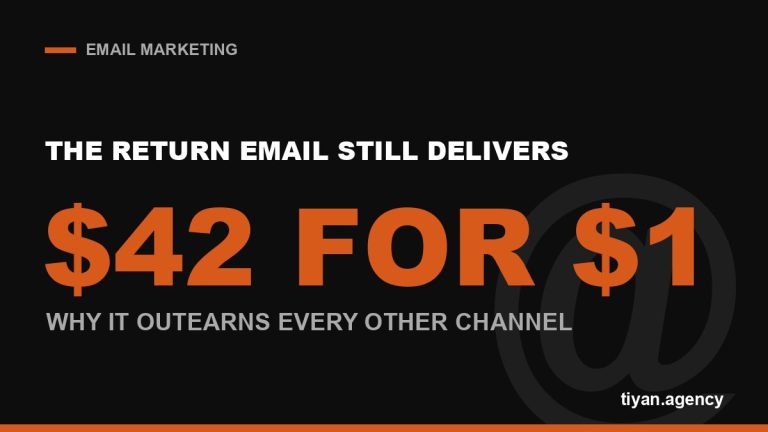
Email’s economics — the famous $42-per-$1 return — only ever accrue to lists built this way. If you’d rather have the incentive, flows, and forms built properly in one pass, our email marketing team does exactly that: outline your business in the enquiry form and a list-building plan with pricing lands back within a working day.
List-building FAQs
Should I ever buy an email list?
+
What is a lead magnet and do I need one?
+
Are email popups worth the annoyance?
+
Single or double opt-in — which should I use?
+
How often should I email my list?
+
How big should my list be before it’s worth emailing?
+
How fast can I realistically grow an email list?
+