Traffic without sales is the loneliest problem in e-commerce — the ads run, the visitors arrive, and the orders don’t. Before blaming the market or the algorithm, know the baseline: healthy stores convert around 2–3% of visitors. Below that, you have leaks, and leaks cluster in three zones — trust, product pages, and checkout. Here are the twelve most common, each with its fix, ordered by where they sit in the journey.
Zone one: trust leaks (they left before browsing)
- 1 · The store loads slowly on phones. Mobile shoppers give you seconds, not chances. Fix: compress images, audit apps, test on a real mid-range phone monthly — speed work is detailed in our Shopify SEO guide and applies to every platform.
- 2 · No reason to trust a stranger. No reviews, no policies, no human anywhere. Fix: reviews visible on product pages, returns policy one tap away, a real about page — strangers buy from stores that feel accountable.
- 3 · The homepage sells the vibe, not the products. Beautiful lifestyle banner, no path to buying. Fix: bestsellers and categories above the fold; the homepage’s job is routing, not mood.
- 4 · Prices hide until the last step. Shipping costs revealed at checkout are exit buttons. Fix: show shipping expectations early — on product pages or a banner. Surprise is the enemy, not the price.
Zone two: product page leaks (they browsed, didn’t cart)
- 5 · One photo, no context. A single supplier image answers none of the “will it fit my life?” questions. Fix: multiple angles, scale references, in-use shots — photography is conversion infrastructure, not decoration.
- 6 · Descriptions written for a spec sheet. Dimensions without meaning, features without benefits. Fix: rewrite for the buyer’s question (“fits a 15-inch laptop” beats “38cm internal compartment”).
- 7 · Sizing and compatibility anxiety. Unanswered fit questions default to “no.” Fix: size charts, compatibility tables, and honest guidance — the store assistant’s job, done in HTML.
- 8 · No urgency, honestly earned. Everything always available forever invites “later,” and later never converts. Fix: real stock levels and genuine deadlines only — fake countdown timers train distrust that outlasts the sale.
Zone three: checkout leaks (they carted, didn’t pay)
- 9 · Forced account creation. The single most resented gate in e-commerce. Fix: guest checkout, always — the #1 checkout fix by effort-to-impact. Invite account creation after the money.
- 10 · A form that interrogates. Eleven fields where four would do. Fix: ask only what fulfilment needs; every removed field is measurable revenue (the same arithmetic as any UX leak).
- 11 · Their payment method is missing. Card-only checkouts lose the wallet crowd. Fix: the express options your customers actually use — Apple Pay, Google Pay, PayPal — one tap beats one form.
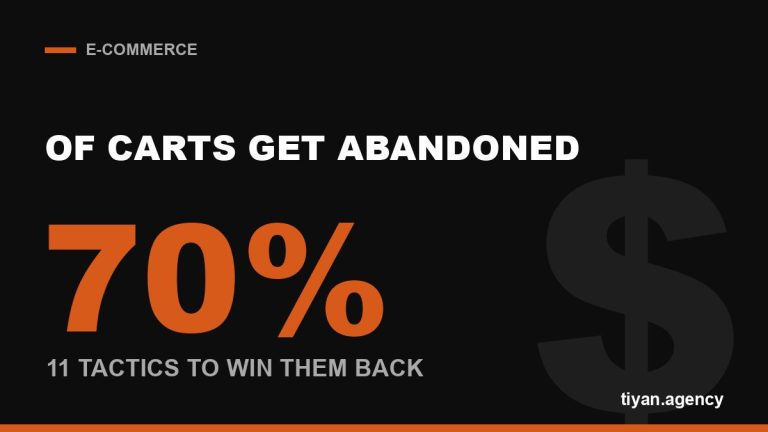
- 12 · Abandonment with no follow-up. Most carts are abandoned; silence makes it permanent. Fix: the three-email recovery flow from our automation guide — the highest-ROI emails a store sends.
Before the diagnosis note, appreciate the compounding: conversion fixes multiply, they don’t add. Take a store converting at 1% — fix two leaks worth 25% each and you’re at roughly 1.56%, a 56% revenue lift from the same traffic and the same ad spend. This is why conversion work routinely embarrasses marketing budgets: doubling traffic costs a fortune every month, while a fixed checkout is bought once and pays on every visitor forever after.
Don’t fix all twelve — find yours. Analytics shows the zone: high bounce on landing = zone one; product views without carts = zone two; carts without orders = zone three. One afternoon of funnel reading beats a quarter of guessing, and the fixes above map straight onto whichever zone bleeds.
If the leaks run deeper than the list — structural speed problems, a platform fighting you, a rebuild question — our e-commerce team runs exactly this diagnosis against real store data (rebuild economics live in the store cost guide if it comes to that). Send your store through the enquiry form and you’ll get your three biggest leaks, ranked with fixes and prices, by tomorrow’s close of business.
Store conversion FAQs
What is a good conversion rate for an online store?
+
Why am I getting traffic but no sales?
+
Do customer reviews really increase conversions?
+
Should my store offer guest checkout?
+
Does free shipping increase conversion rates?
+
How do I find where customers drop off?
+
How fast can conversion fixes show results?
+